
Denver Leak Detection And Repair
We find the leak before we open the wall, not after.
A water bill that climbed for no reason, a damp spot that keeps coming back, or the sound of running water with every tap closed. We locate hidden leaks in supply lines, drains, slabs, and buried water services across Denver Metro, then repair what we find.
CO Lic. #PC.0005786 · Licensed · Bonded · Insured
- Plumbing License
- CO Lic. #PC.0005786
- Electrical License
- CO Lic. #EC.0101962
- Insurance
- 2M GL · 5M Umbrella
- Family Owned
- Since 2020
- Locate first
- We find it before we open anythingGuessing turns one repair into three patches and three invoices.
- Non invasive methods
- Acoustic, thermal, and pressure testingMost leaks are pinpointed without cutting into anything.
- Above and below ground
- Slabs, walls, and buried service linesIncluding the water line between the meter and the house.
- We do the repair too
- One company, one written priceYou are not handed a report and left to find someone else.
Why It Is Hard To Find
The Leak You Can See Is Rarely The Leak That Matters
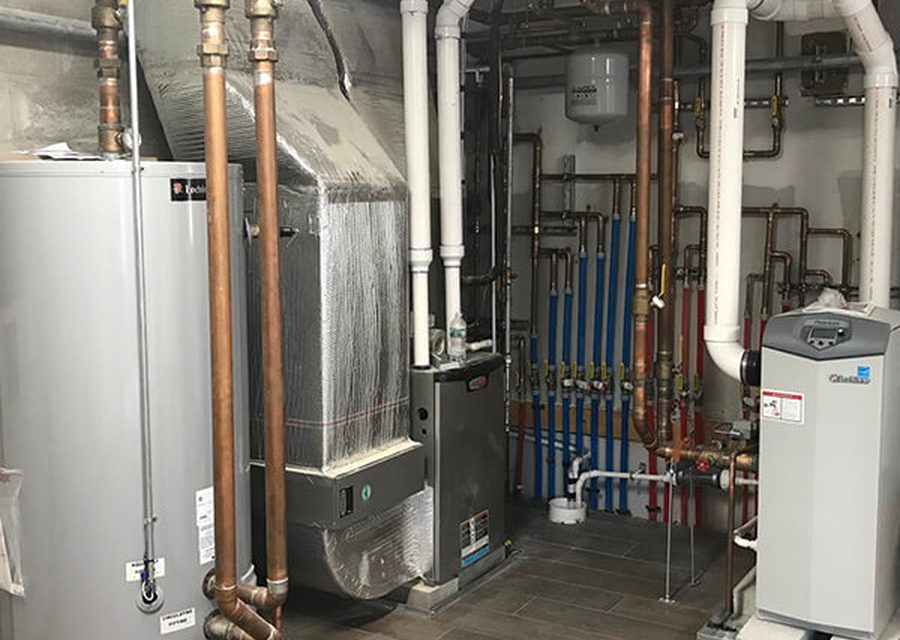
Water travels. It runs along a joist, down a stud bay, and across a subfloor before it finally shows itself somewhere else entirely.
By the time a stain appears on a ceiling, the actual break can be many feet away and on a different level of the house. That is why the expensive mistake in leak repair is not the repair. It is opening three walls looking for something that turned out to be behind the fourth.
Leak detection is the work of narrowing the location down before anything gets cut. We isolate which system is losing water, confirm it with a pressure test, then locate the point of loss with acoustic and thermal equipment. The opening we make is the opening we need, and nothing more.
Symptoms
Signs You Have A Hidden Water Leak
Any one of these on its own is worth checking. Two together usually means water is escaping somewhere you cannot see.
- A water bill that climbed with no change in usage
- The sound of running water with every fixture closed
- A damp spot or stain that returns after you dry it
- Warm or unusually cold patches on a floor
- Musty smell in a room, closet, or crawl space
- Paint or drywall bubbling, or baseboard swelling
- Water pressure that dropped across the whole house
- Cracked or lifting tile with no impact damage
- A patch of lawn that stays green through a dry stretch
- Soil that is soft or sunken near the foundation
- Mold appearing in a room with no visible water source
- The water meter moving with all water shut off
Check It Yourself First
The Water Meter Test Takes Fifteen Minutes
Before you call anyone, this tells you whether you have a leak at all and roughly where it sits.
Shut off every fixture
No taps running, no toilets filling, no dishwasher or washing machine, no irrigation. Tell everyone in the house to leave the water alone for the next fifteen minutes.
Read the meter
Find the water meter, usually in the basement near where the service enters, or in a pit near the curb. Most have a small triangular or star shaped low flow indicator that spins on any movement at all. Note the reading.
Wait, then read it again
If the low flow indicator is turning, or the reading changed after fifteen minutes with nothing running, water is leaving the system somewhere.
Narrow it down
Close the main shutoff inside the house and repeat the test. If the meter still moves, the leak is in the buried service line between the meter and the house. If it stops, the leak is inside.
That single step, testing with the main open and then closed, separates an indoor repair from a buried water line repair. It is the first thing we ask about when you call, and knowing the answer already saves time on the visit.
How We Find It
Four Ways To Locate A Leak Without Demolition
Which method we reach for depends on what the isolation test told us, and most jobs use more than one.
Pressure isolation testing
We isolate sections of the system and pressurize them individually to find which run is losing pressure. This is the step that turns a whole house problem into a single suspect line, and it is what makes everything after it fast.
Acoustic listening
Pressurized water escaping through a small opening makes a distinct sound that carries through pipe, soil, and concrete. Ground microphones and contact sensors let us follow that sound to its loudest point, which is the leak.
Thermal imaging
A hot water leak warms the material around it and a cold water leak cools it. A thermal camera reads those differences through finished surfaces, which is particularly useful for leaks under a slab or inside a wall cavity.
Camera inspection
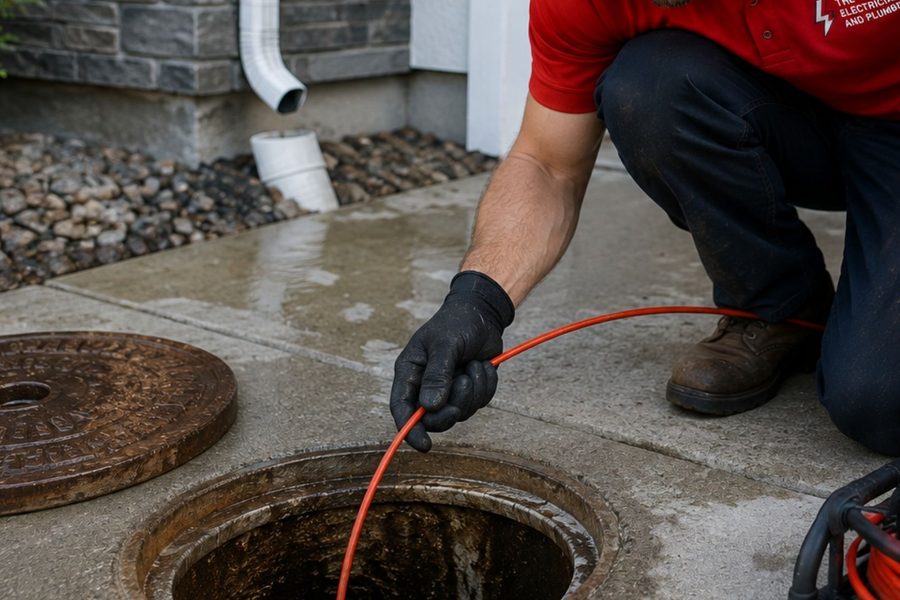
For drain and sewer side leaks, where nothing is under pressure, we send a camera down the line. That shows breaks, offset joints, root intrusion, and bellies directly, and it gives a footage mark to dig or cut at.
Straight Answers
Where Leaks Actually Happen In Denver Homes
Five situations that cover most of the calls we take.
The Buried Water Line Between The Meter And The House.
A Slab Leak Under The Floor.
A Supply Line Inside A Wall.
A Drain Or Waste Line Leak.
A Silent Toilet Leak.
Local Conditions
Three Things That Cause Leaks Along The Front Range
Denver homes fail in patterns, and the patterns come from the ground and the climate rather than from the plumbing.
Expansive clay soil swells when it takes on water and shrinks when it dries. That cycle works against anything buried or bearing on it, year after year, which is why buried service lines and slab plumbing fail here for reasons that have nothing to do with the age of the pipe.
Freeze and thaw is the second. A line that froze in January can split without flooding anything at the time, then leak quietly once the system is back under normal pressure. Our guide to keeping pipes from freezing in Denver covers the exposures that cause it.
High static water pressure is the third and the most overlooked. Pressure above eighty psi stresses every joint, fitting, and appliance connection in the house, and it is a code requirement to bring it down with a pressure reducing valve. We check static pressure on every leak call, because a house that keeps producing new leaks in different places usually has a pressure problem rather than a pipe problem.
What Denver Homeowners Say
Scope
Leak Detection And Repair Services We Provide
Location and repair, indoors and underground, residential and commercial.
- Hidden water leak detection
- Slab leak detection and repair
- Underground water line leak detection
- Water service line repair and replacement
- Acoustic leak location
- Thermal imaging leak location
- Pressure testing and isolation
- Pinhole and copper pipe repair
- Commercial leak detection
- Drain and waste line leak location
- Sewer camera inspection
- Toilet and fixture leak repair
- Water heater leak diagnosis
- Hose bib and sillcock leak repair
- Frozen and split pipe repair
- Static water pressure testing
- Pressure reducing valve installation
- Repiping and section replacement
Leak detection is one part of our full range of Denver plumbing services. A leak at the base of a tank is usually a water heater question, a leak that appears only while draining is usually a drain line question, and a dripping fixture is covered under faucet and fixture repairs.
Water Running Right Now?
Shut The Main Off First, Then Call
Active water inside a wall, a ceiling, or under a floor does damage every hour it continues. Close the main shutoff, move what you can out of the way, and call. Finding the source is the fast part once the water has stopped.
Where We Work
Leak Detection Across Denver Metro
Dispatched from our Centennial office at 7076 S Alton Way, Suite H-200.
- Denver
- Centennial
- Aurora
- Littleton
- Englewood
- Lakewood
- Arvada
- Highlands Ranch
- Parker
- Castle Rock
- Greenwood Village
- Lone Tree
- Cherry Hills Village
- Westminster
Questions
Frequently Asked Questions About Leak Detection In Denver
How do you find a leak without tearing up the house?
We start by isolating which part of the system is losing water, using pressure testing rather than guesswork. From there, acoustic listening equipment follows the sound of escaping water through pipe, soil, and concrete to its loudest point, and thermal imaging reads the temperature difference a leak creates behind a finished surface. Most leaks are pinpointed before anything is opened, and the opening we do make is sized to the repair.
How can I tell whether the leak is inside the house or in the buried line?
Shut off every fixture, then watch the water meter. If it is still moving, you have a leak. Next, close the main shutoff where the water enters the house and watch the meter again. If it keeps moving with the main closed, the leak is in the buried service line between the meter and the house. If it stops, the leak is somewhere inside. That one test saves a lot of time and it is the first thing we ask when you call.
Are slab leaks common in Denver?
Less common than in warmer parts of the country, because a large share of Denver homes have a basement rather than slab on grade construction. They do happen, mostly in slab on grade ranches, in additions built on a slab, and in some newer builds. The usual signs are a warm spot on the floor, the sound of water running underfoot, tile cracking with no impact, and a bill that jumped. Where we find one, rerouting the line above the slab is often less disruptive than opening the concrete.
My water bill jumped but I cannot see any water. What is the most likely cause?
A toilet flapper, by a wide margin. A worn flapper lets tank water run continuously into the bowl and straight down the drain, so nothing is ever visible and nothing is ever heard. Put a few drops of food coloring in the tank, leave it twenty minutes without flushing, and check whether color has reached the bowl. After that, irrigation lines and the buried water service are the next most likely, in that order.
Does homeowners insurance cover leak damage?
Policies commonly cover sudden and accidental water damage while excluding damage from a leak that was gradual or from deferred maintenance, but the terms vary and the decision belongs to your carrier rather than to us. What we can tell you is that documentation matters. We identify the source, describe what failed, and give you the findings in writing, which is the information an adjuster asks for. We are not insurance advisors and we do not file or negotiate claims.
Do you repair the leak, or only locate it?
Both. Some companies charge to locate a leak and then hand you a report to take to somebody else. We locate it and repair it under one licensed plumbing contractor, quoted as one written price you approve before work begins. Where a repair also touches electrical, we hold that license too, so it does not turn into a second contractor and a second trip.
Why does my house keep developing new leaks in different places?
That pattern usually points at something systemic rather than at each individual pipe. High static water pressure is the most common cause, and pressure above eighty psi stresses every joint and connection in the house until the weakest one fails, then the next. Aging galvanized supply and past freeze damage are the other two. We test static pressure on every leak call for exactly this reason, because fixing the sixth pinhole without fixing the pressure just schedules the seventh.
Do you pull permits for leak repair work?
Where the scope requires it, yes. A straightforward repair to an accessible line generally does not require a permit, while water service replacement, repiping, and work involving the meter or the main do. We tell you which category the job falls into before we start, we pull what is required through the City and County of Denver or the applicable suburban jurisdiction, and we meet the inspector.
Related Plumbing Services
Drain Cleaning
Kitchen, bath, laundry, and main line clogs cleared, with camera inspection when one keeps returning.
View drain cleaning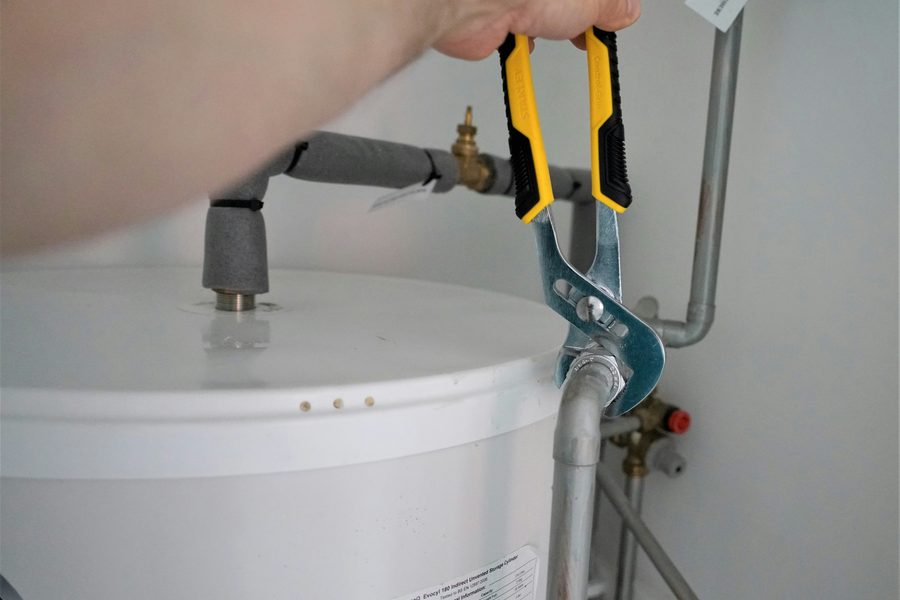
Water Heaters
Tank, tankless, and heat pump. Repair, replacement, venting, and permits.
View water heaters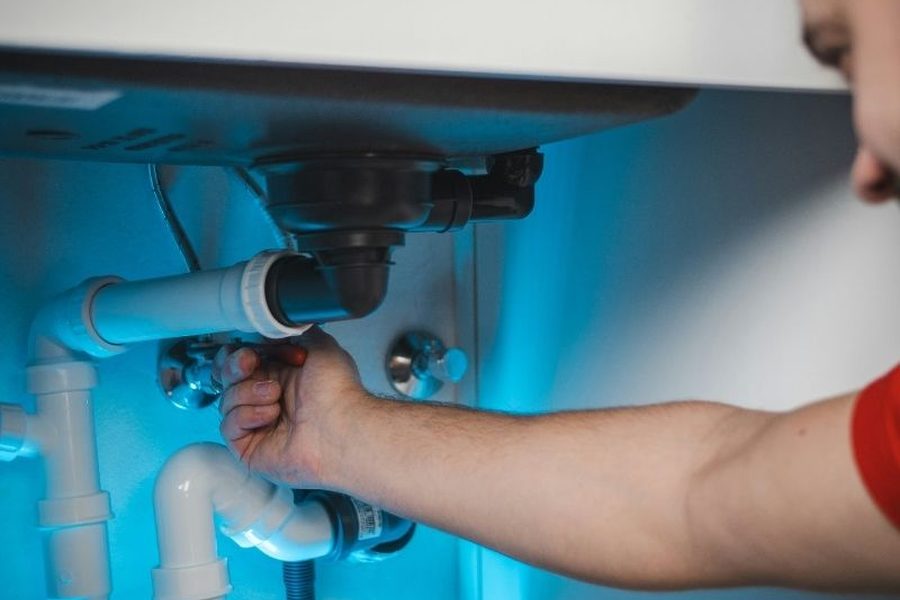
Faucet And Fixture Repairs
Dripping faucets, shower valves, and sink fixtures repaired or replaced.
View fixture repairsBook Leak Detection
Find It First, Then Fix It Once
A licensed plumber isolates the system, locates the leak with the right equipment for where it sits, and gives you the finding and the price in writing before any repair begins.
CO Lic. #PC.0005786 · CO Lic. #EC.0101962 · 2M GL · 5M Umbrella · Bonded · Insured