
Frozen Pipe Repair
How To Keep Pipes From Freezing In Denver, And What To Do If They Do
The pipe that bursts is almost never the one you were worried about.
What freezes first in Front Range homes, the checklist to run before the first hard freeze, and what to do in the hours after you find a line has already frozen.
A frozen pipe is not the emergency. The emergency arrives later, when the ice thaws and water starts moving through the split it opened. That gap between the freeze and the flood is usually several hours, and what you do in it decides how expensive the winter gets.
Denver homeowners tend to prepare for the wrong thing. People insulate the basement and forget the hose bib on the back of the garage. They watch the forecast for snow and ignore the clear, still night after it when the temperature actually bottoms out. Here is where the risk really sits, what to do about it, and when to call for frozen pipe repair in Denver.
How To Keep Pipes From Freezing: The Short Answer
Before the first hard freeze, disconnect every garden hose, have the sprinkler system blown out, close crawl space vents, insulate exposed pipe in garages and crawl spaces, and locate your main water shutoff.
During a cold snap, open cabinet doors under sinks on exterior walls, run a slow trickle at the fixture farthest from the water service, and hold the thermostat steady instead of setting it back overnight.
If a pipe has already frozen, leave the faucet open, apply gentle heat from the fixture end back toward the blockage, and never use an open flame.
What Actually Freezes First In Denver Homes
Freezing is a function of exposure, not of pipe material. The lines that fail are the ones with cold on both sides of them and no heat reaching them.
- Outdoor hose bibs and the pipe behind them. The single most common winter failure in Denver, and the most preventable.
- Crawl space supply lines. Especially in homes where the crawl space vents were never closed, or where the insulation fell down years ago and nobody noticed.
- Pipes running through exterior walls. A kitchen sink on an outside wall is a classic. So is a bathroom over an unheated garage.
- Garage plumbing. Utility sinks, water softeners, and anything serving a garage refrigerator sit in a space that is unheated by design.
- Unheated basement corners and rim joists. Cold air pours in through gaps at the sill plate and pools exactly where supply lines run.
- Vacant units and unoccupied homes. Nobody is running water, nobody notices the furnace failed, and nobody finds the break for days.
Why Denver Freezes Pipes Differently
Why do pipes freeze in Denver when the days are sunny? Because the Front Range has one of the widest daily temperature swings in the country. A fifty degree afternoon followed by a single digit overnight low is an ordinary January here, and the daytime warmth misleads people into thinking the risk passed. The pipe does not care what the afternoon looked like. It cares about the six hours before dawn.
Two other local factors make it worse. Front Range homes frequently have vented crawl spaces that were never sealed for winter, which lets subfreezing air circulate directly around supply lines. And warm chinook stretches in the middle of winter encourage people to reconnect hoses and open crawl space vents again, right before the next cold front comes through.
The Denver Freeze Prevention Checklist
Run this once, in the fall, and the great majority of freeze failures never happen.
- Disconnect every garden hose. Every hose, every bib, including the one behind the shed you never use. This is the highest value item on the list and it takes ten minutes.
- Shut off and drain the hose bib lines if they are not frost free. Older homes usually have a separate shutoff inside for each exterior bib. Close it, then open the outside bib to let the trapped water drain out, and leave the outside bib open through the winter.
- Have the sprinkler system blown out. Irrigation lines and the backflow device hold water that will freeze and split them. This is a standard fall service in Denver and it happens before the first sustained freeze, not after.
- Close crawl space vents and check the insulation. Look for insulation that has fallen off the pipes or out of the joist bays, and for daylight visible at the foundation.
- Seal the obvious air leaks. Gaps at the rim joist, around the dryer vent, and where the water service enters the house all let cold air reach pipes directly. Canned foam and caulk handle most of them.
- Insulate exposed runs. Foam pipe sleeve on any supply line in a garage, crawl space, or unheated basement area. It is inexpensive, it takes an afternoon, and it works.
- Find your main water shutoff and make sure it turns. A valve nobody has touched in fifteen years often will not close when it finally matters. Locate it, label it, and confirm it operates. Tell everyone in the house where it is.
The shutoff valve is the whole game
When a pipe bursts, the difference between a repair and a renovation is how many minutes pass before somebody closes the main. If your main shutoff is seized, corroded, or buried behind storage, fix that now rather than discovering it during the flood.
Why Frost Free Hose Bibs Still Burst
A frost free sillcock has a long stem, so the valve that actually stops the water sits back inside the heated wall rather than out in the cold. The section of pipe between that valve and the outside opening is designed to drain itself by gravity every time you shut the water off.
It only drains if the outlet is open. Leave a hose attached and the hose holds water against the opening, the drain path is blocked, water stays in the stem, and it freezes and splits the tube inside the wall. The homeowner sees nothing at all until spring, when somebody turns the bib on and water pours into the wall cavity or the basement ceiling.
That is why disconnecting hoses sits at the top of the checklist. A frost free bib is not protection against a connected hose, and a surprising share of the interior water damage we see in spring traces back to that exact sequence.
Burst Pipe Or Water Damage
Shut The Water Off At The Main, Then Call
The difference between a repair and a renovation is how many minutes pass before somebody closes that valve. Once it is off, a licensed plumber can find the split, repair the line, and tell you what caused the exposure so it does not repeat next winter.
Call 720-295-9903Frozen pipe repair and repiping across Denver Metro.
What To Do During A Cold Snap
When the forecast calls for sustained overnight temperatures near twenty degrees or below, a few small measures buy real protection.
- Open cabinet doors under sinks on exterior walls so room air reaches the supply lines.
- Let one faucet run a slow trickle on the fixture farthest from where the water enters the house. Moving water resists freezing, and the open tap relieves the pressure that actually splits pipes.
- Hold the thermostat steady rather than setting it back overnight. The savings from a night setback are small. The cost of a burst line is not.
- Keep the garage door closed, particularly if plumbing runs through the garage or the room above it.
- Do not turn the heat off in unused rooms. Closing a vent in a spare bedroom on an exterior wall is a common way to freeze a pipe inside that wall.
If A Pipe Has Already Frozen
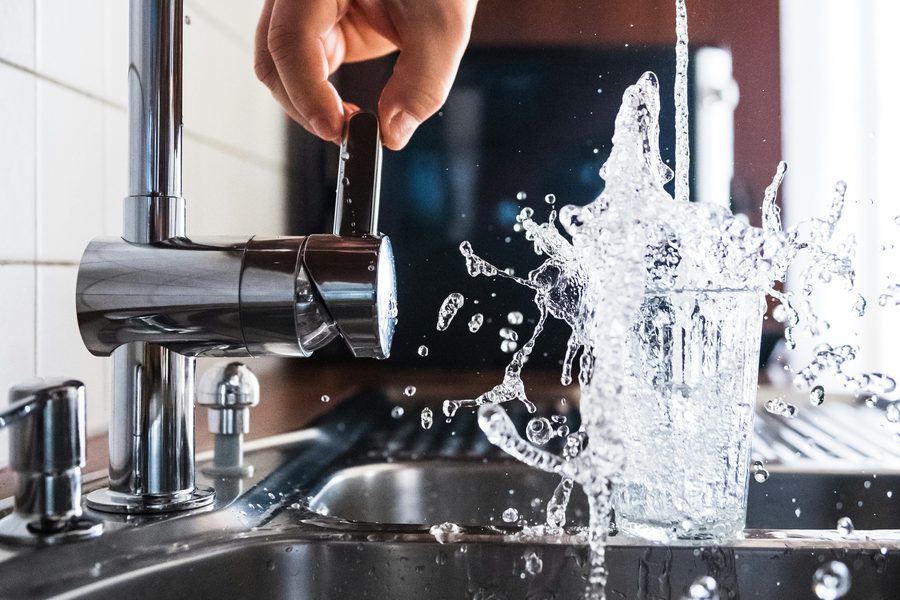
You will usually notice it as no water or a thin trickle at one fixture while the rest of the house works normally. That tells you the blockage is between the main and that fixture, which narrows the search considerably.
- Leave the faucet open. As the ice melts, the open tap gives the water somewhere to go and relieves pressure.
- Locate the shutoff and be ready. If the pipe split while frozen, water arrives the moment it thaws. Know where the valve is before you start warming anything.
- Apply gentle heat from the fixture end back toward the frozen section. A hair dryer, a space heater at a safe distance, or towels soaked in hot water. Work toward the blockage, not away from it.
- Never use an open flame. No torch, no heat gun held against the wall, no propane heater aimed at joists. Thawing pipes with a torch is a well documented cause of house fires, and it can also split the pipe from thermal shock.
- Watch for the split as flow returns. Stay with it. If water appears anywhere it should not, close the main immediately.
Shut the water off and call if
You see water coming from a wall, a ceiling, or a floor. You cannot locate the frozen section. The frozen line is the main water service entering the house. Or the pipe has already burst. In every one of those cases, close the main first and call second.
Vacant Homes And Rentals
Unoccupied property carries the highest risk, because a failure goes unnoticed for days rather than minutes. If a home or a unit will sit empty through a Denver winter, hold the thermostat at a minimum of around fifty five degrees rather than turning the heat off, arrange for someone to physically check the property during cold stretches, and consider shutting off the water at the main and draining the system if the vacancy will run long.
Landlords with multiple units are better served by a scheduled fall service across the portfolio than by responding to whichever unit fails first. Our licensed plumbers handle winterization, frozen pipe repair, and repiping across Denver Metro, and we also service the water heaters and boilers that keep those buildings above freezing in the first place.
CO Lic. #PC.0005786 · CO Lic. #EC.0101962. This article is general guidance for Denver Metro homeowners and does not replace an on site inspection of your specific system.
Questions
Frozen Pipe Questions
At what temperature do pipes actually freeze?
Water freezes at thirty two degrees, but a pipe inside a structure has some thermal protection, so the practical threshold for uninsulated lines in unheated spaces is generally around twenty degrees sustained. What matters more than the number is duration and exposure. A brief dip to fifteen degrees is less dangerous than a long still night at twenty two with wind reaching an uninsulated crawl space.
Should I really leave a faucet dripping?
During a genuine cold snap, yes. Use a slow trickle rather than a fast drip, and choose the fixture farthest from where the water service enters the house so the moving water travels through the most vulnerable run. The open tap also relieves pressure, which is what actually ruptures a pipe when ice forms between the blockage and a closed faucet.
How low can I set the thermostat when I travel in winter?
Around fifty five degrees is the common floor for an occupied home left empty for a few days. Going lower saves very little and puts pipes in exterior walls and unheated areas at real risk. If the home will sit empty for weeks, the safer approach is to shut the water off at the main and drain the system rather than relying on the furnace running unattended.
Do I need my sprinkler system blown out every year?
Yes, in this climate. Irrigation lines and the backflow prevention device hold water that freezes, expands, and splits the components. Blowing the system out with compressed air is standard fall maintenance along the Front Range, and it happens before the first sustained freeze rather than after the first cold night.
My pipe froze but did not burst. Is it fine now?
Probably, but not certainly. Freezing stresses fittings and solder joints even when nothing splits, and a pipe that froze once will freeze again in the same spot unless the exposure that caused it gets fixed. Watch that area for weeping over the following weeks, and address the underlying insulation or air leak before the next cold front.
Where is my main water shutoff likely to be?
In most Denver homes it sits where the water service enters the building, commonly in the basement or a crawl space on the wall facing the street, often near the water meter. Homes on a slab may have it in a utility closet or the garage. There is also a curb stop in the yard that belongs to the water utility. Find yours before you need it, confirm the valve actually turns, and label it.
Keep Reading
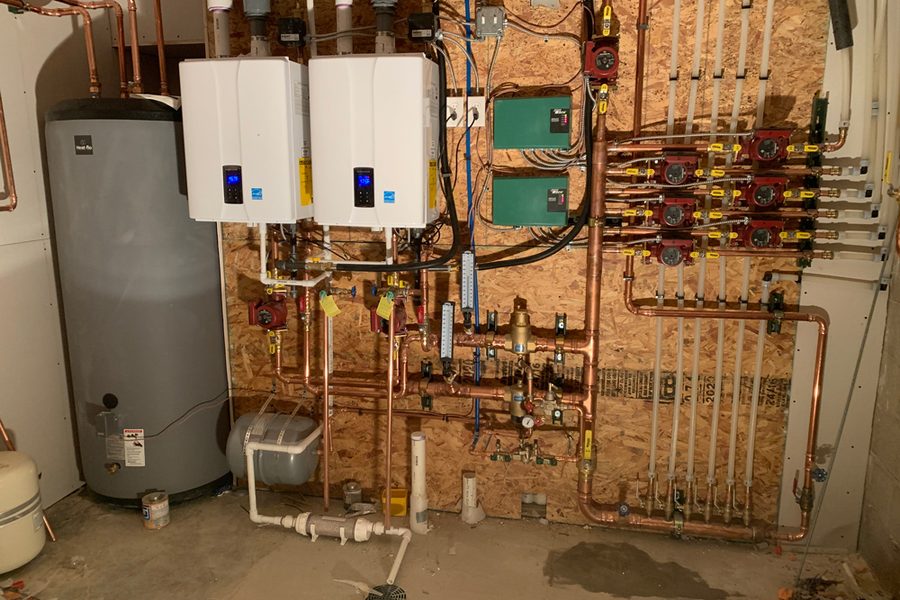
Boiler Will Not Turn On? What To Check First
The seven checks that explain most no heat calls in Denver, and the point where you should stop and call.
Read the article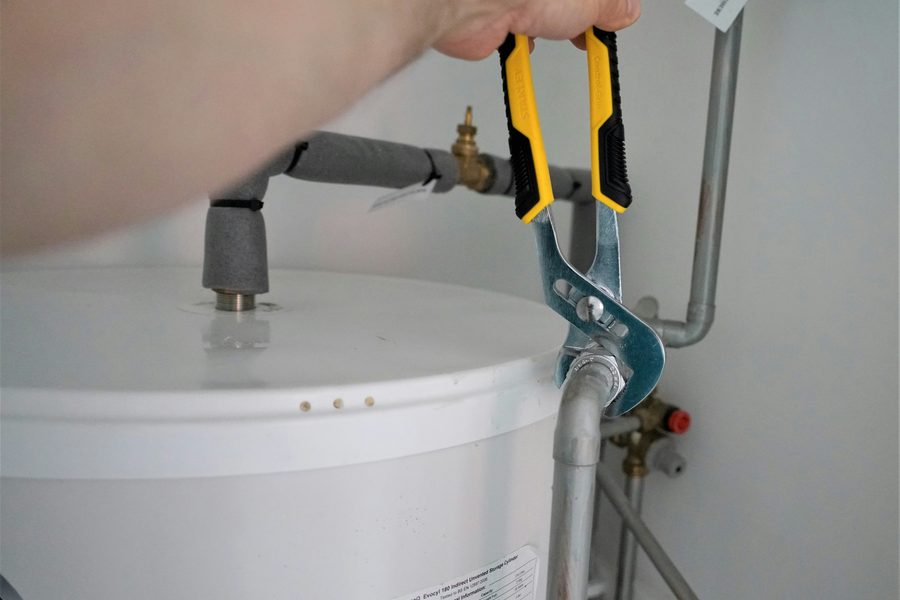
Eight Signs You Need A New Water Heater
The eight signs a plumber looks for, how to read the age off the label, and repair versus replacement.
Read the article
Drain Cleaning
Kitchen, bath, laundry, and main line clogs cleared, with camera inspection when one keeps returning.
View drain cleaningTalk To A Plumber
Get Ahead Of It Instead Of Reacting To It
Winterization, exposed pipe insulation, hose bib repair, and frozen line repair across Denver Metro. A licensed plumber inspects the actual house and puts the price in writing before any work begins.
CO Lic. #PC.0005786 · CO Lic. #EC.0101962 · 2M GL · 5M Umbrella · Bonded · Insured